Choosing the right rolling mill configuration is critical to achieving precision, efficiency, and consistent material output. Whether you're working with wire, strip, or specialty metals, the type of rolling mill you select directly impacts product quality, throughput, and operational costs.
Rolling mills are not one-size-fits-all. Different configurations are designed to handle specific materials, thicknesses, and production goals. Understanding these differences is key to selecting the best setup for your application.
A rolling mill is a machine used to reduce the thickness of material or shape it by passing it through rollers. These machines are widely used in industries such as:
- Automotive manufacturing
- Aerospace
- Electronics
- Construction
- Metal fabrication
Rolling mills can process a wide range of materials, including steel, aluminum, copper, and specialty alloys.
Key Rolling Mill Configurations Explained
There are several common rolling mill configurations, each with unique advantages depending on your application.
2-High Rolling Mills
A 2-high rolling mill consists of two opposing rolls.
Best For:
- Simple operations
- Large reductions in thickness
- Low to medium precision applications
Pros:
- Simple design
- Lower cost
- Easy maintenance
Considerations:
- Less control over thickness consistency
- Not ideal for high-precision applications
2-high rolling mills are often used in basic metal forming processes where ultra-tight tolerances are not required.
4-High Rolling Mills
A 4-high rolling mill uses two smaller work rolls supported by two larger backup rolls.
Best For:
- Precision strip rolling
- Thinner materials
- Applications requiring tight tolerances
Pros:
- Improved thickness control
- Reduced roll deflection
- Better surface finish
Considerations:
- More complex than 2-high mills
- Higher initial investment
4-high rolling mills are commonly used in industries where accuracy and consistency are critical.
Cluster (Multi-Roll) Rolling Mills
Cluster rolling mills, also known as multi-roll mills, use multiple backup rolls to support very small work rolls.
Best For:
- Ultra-thin materials
- High-strength alloys
- Precision applications
Pros:
- Exceptional thickness control
- Ability to process very thin materials
- Ideal for high-performance metals
Considerations:
- Complex design and setup
- Higher cost and maintenance
Cluster mills are often used in advanced manufacturing sectors like aerospace and electronics.
Tandem Rolling Mills
Tandem rolling mills consist of multiple rolling stands arranged in sequence.
Best For:
- High-volume production
- Continuous processing
- Large-scale operations
Pros:
- High throughput
- Increased efficiency
- Consistent output
Considerations:
- Significant upfront investment
- Requires more space and infrastructure
Tandem mills are ideal for manufacturers focused on maximizing production speed and efficiency.
How to Choose the Right Rolling Mill Configuration
Selecting the best rolling mill configuration depends on several key factors.
Material Type
Different materials behave differently under pressure. For example:
- Softer metals may require less complex configurations
- High-strength alloys often need cluster mills for precision
Desired Thickness & Tolerances
- Tight tolerances → 4-high or cluster mills
- Basic reductions → 2-high mills
Production Volume
- Low to medium volume → 2-high or 4-high
- High volume → tandem rolling mills
Surface Finish Requirements
Applications requiring a smooth, consistent finish benefit from more advanced configurations like 4-high or cluster mills.
Budget & Operational Complexity
More advanced rolling mills offer better performance but come with higher costs and complexity. It’s important to balance performance needs with budget constraints.
Custom Rolling Mill Solutions for Specialized Applications
In many cases, standard configurations may not fully meet your requirements. Custom rolling mill solutions can be designed to:
- Handle unique materials
- Achieve specific tolerances
- Integrate with existing production lines
- Improve efficiency and automation
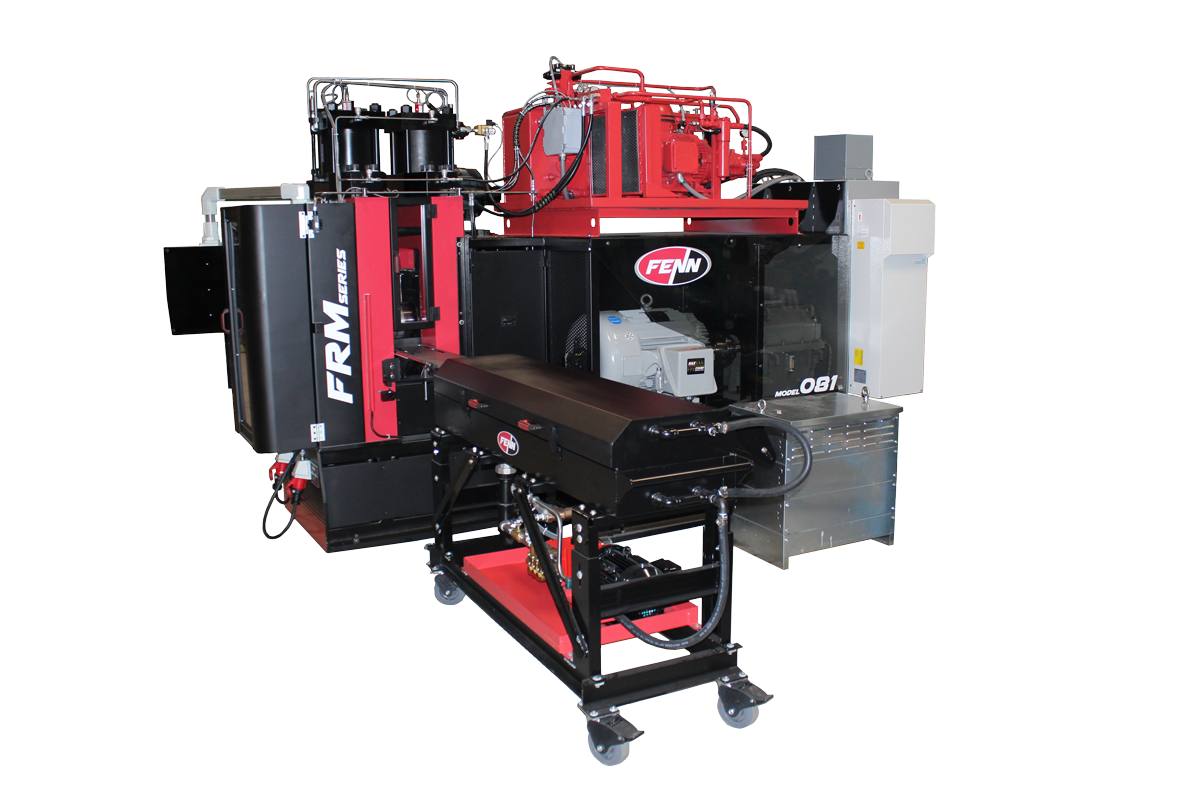
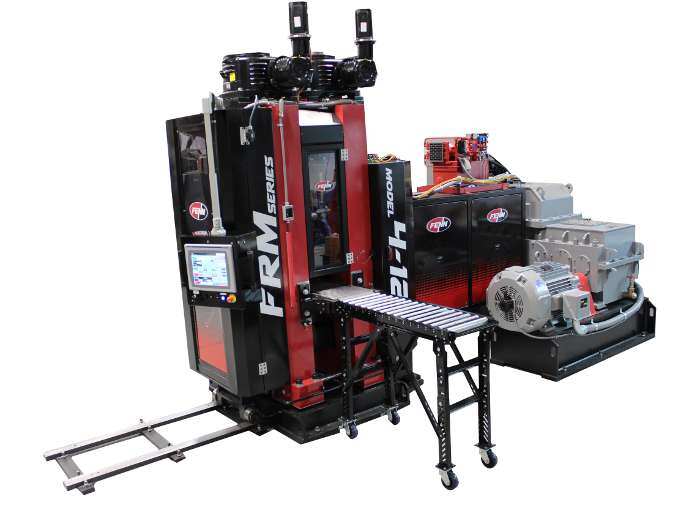
Fenn-Torin specializes in engineered rolling mill solutions tailored to your exact application, ensuring optimal performance and long-term reliability.
Find the Right Rolling Mill for Your Application
Selecting the right rolling mill configuration is essential for achieving your production goals. Whether you need a simple 2-high mill or a highly specialized multi-roll system, understanding your material, volume, and precision requirements will guide the right decision.
Fenn-Torin offers industry-leading rolling mill solutions designed to meet the demands of modern manufacturing. If you’re evaluating your options, working with an experienced partner ensures you get a system that’s optimized for performance, efficiency, and long-term success.